
High Pollen, Poor Sleep & Nervous System Overload
Why Seasonal Changes Can Trigger More Dysregulation In Sensitive Kids
Every year around this time, we see this pattern...
A child who had been doing well suddenly becomes more dysregulated. Behaviours get harder. Impulse control drops. Sleep becomes more fragile. Parents tell me:
“Nothing changed… but everything suddenly feels harder.”
And often they are right.
Nothing obvious changed at home.
But the environment changed.
The Seasonal Shift Many Parents Miss
As spring turns into summer, the entire outside world changes.
Pollen rises.
Air quality shifts.
Humidity changes.
Grass is cut more frequently.
Windows open.
Children spend longer outdoors.
Histamine load rises.
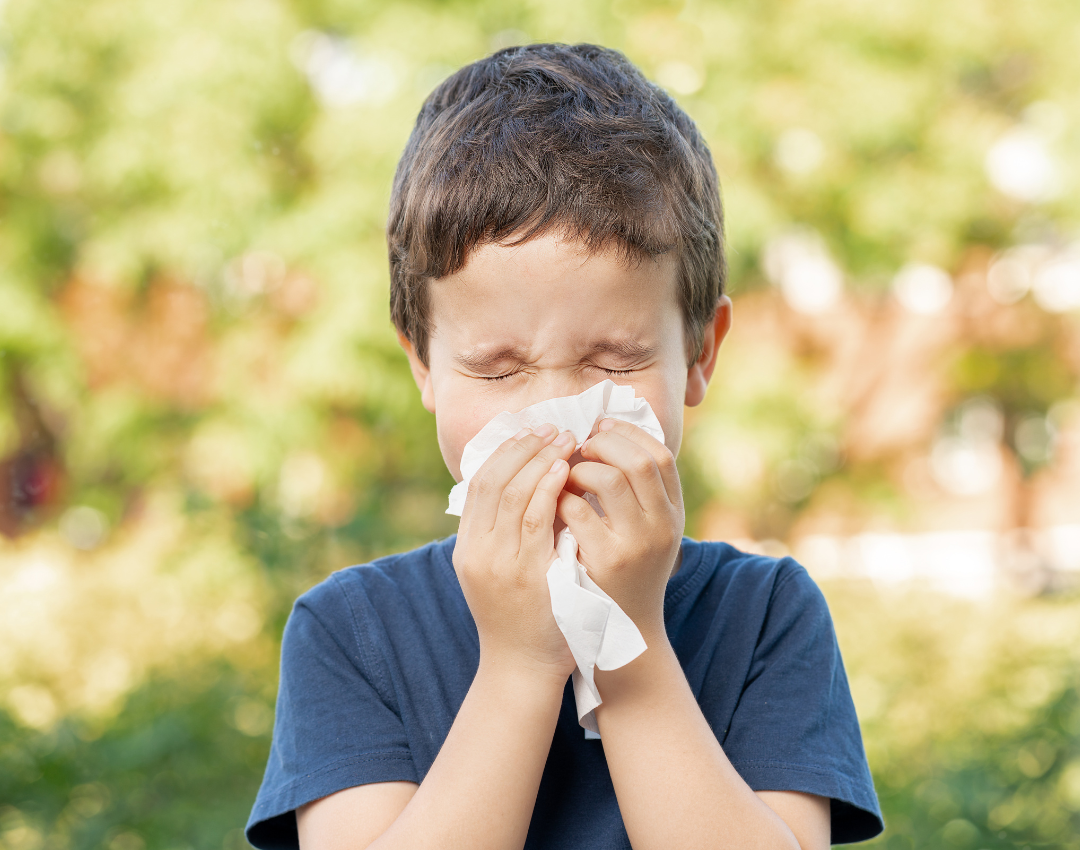
And while many children navigate that transition relatively smoothly, children with already sensitive nervous systems often don’t.
Because what looks like “behaviour” can sometimes be the nervous system responding to a physiological stress load it can no longer compensate for well.
That’s why this time of year can suddenly feel so intense for families.
Your child may seem more dysregulated, emotional, reactive, impulsive or exhausted seemingly overnight.
But often there is a reason.
Why Allergies Can Affect Regulation, Sleep & Behaviour
Most people think of allergies as sneezing, itchy eyes or congestion.
But inflammation doesn’t just affect the nose.
For some children, seasonal allergies and environmental stressors can contribute to increased nervous system dysregulation, poorer sleep, mouth breathing, immune activation and higher overall stress on the body.
And when the nervous system is already vulnerable, even relatively small increases in inflammation can have a surprisingly big impact.
That can look like:
lower frustration tolerance
emotional explosiveness
poor focus
more sensory overwhelm
increased hyperactivity
increased fatigue
stronger PANS/PANDAS-type flares
more rigid or obsessive behaviours
more difficulty regulating emotions
In other words:
Sometimes the brain is struggling long before the behaviour starts.
One Piece Parents Often Overlook:
Mouth Breathing & Oxygen
One thing we see frequently this time of year is an increase in congestion and mouth breathing.
And mouth breathing matters more than most parents realise.
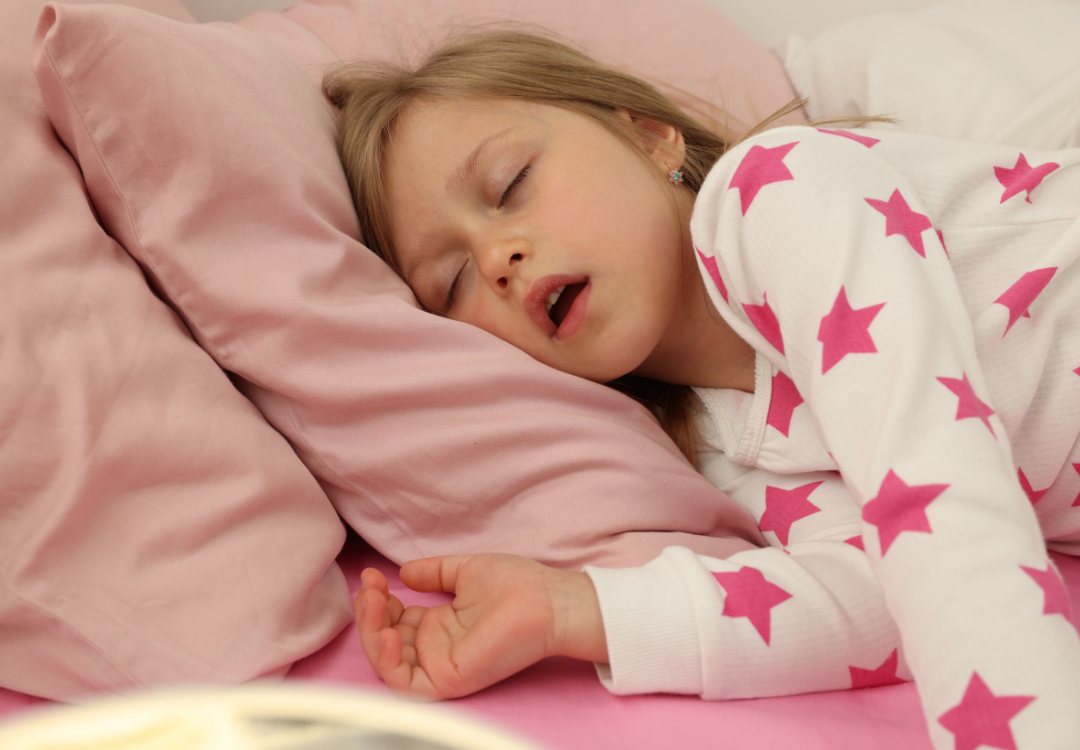
The brain needs good-quality sleep and efficient breathing to regulate emotions, attention, sensory processing and behaviour well.
When breathing becomes less efficient — particularly during sleep — some children become noticeably more dysregulated during the day.
You may notice:
darker circles under the eyes
restless sleep
snoring or noisy breathing
waking tired
more emotional volatility
worsening attention or impulse control
increased anxiety or overwhelm
This doesn’t automatically mean something is seriously wrong.
But it does tell us the nervous system may be under greater stress.
And sometimes those physiological clues help explain why behaviour suddenly feels harder.
The Patterns Matter
One of the biggest shifts for parents is learning to stop viewing every flare as random.
Patterns tell us a lot.
Ask yourself:
Do behaviours worsen during high pollen days?
Does your child seem worse after being outdoors?
Do sleep and regulation worsen during seasonal changes?
Are symptoms worse at home than elsewhere?
Is there more congestion, coughing, throat clearing or mouth breathing?
Does emotional regulation collapse by late afternoon?
Those clues matter.
Because they help us move from:
“What is wrong with my child?”
to:
“What might their nervous system be responding to?”
And that changes everything.
Some Practical Things Worth Considering
If your child tends to flare this time of year, some parents find it helpful to explore:
improving air quality at home
reducing mould exposure
checking for seasonal allergies or histamine issues
supporting nasal breathing and sleep quality
reviewing inflammatory foods or environmental triggers
using HEPA air filtration
tracking symptom patterns against weather and pollen changes
Sometimes relatively small environmental shifts create surprisingly meaningful improvements.
The Bigger Takeaway
If your child seems more dysregulated during seasonal changes, please don’t automatically assume:
you are failing
your child is “just difficult”
you suddenly “lost progress”
or that it is purely behavioural
Very often, the nervous system is responding to a physiological stress load underneath the surface.
And once you start understanding those patterns, your decisions become calmer, clearer and far more targeted.
Because behaviour is often communication.
And the body is usually speaking first.
Want Help Connecting The Dots?
This is exactly why we created our FREE Masterclass:
From Burnout to Breakthrough:
How Your Nervous System Shapes Your Child’s Recovery
Inside, we explore:
why so many children are struggling right now
the hidden drivers behind dysregulation
the connection between the nervous system, inflammation, stress and behaviour
and where overwhelmed parents can actually begin
Because most parents do not need more random information.
They need help understanding the sequence.
And once you understand the sequence, things begin making far more sense.


