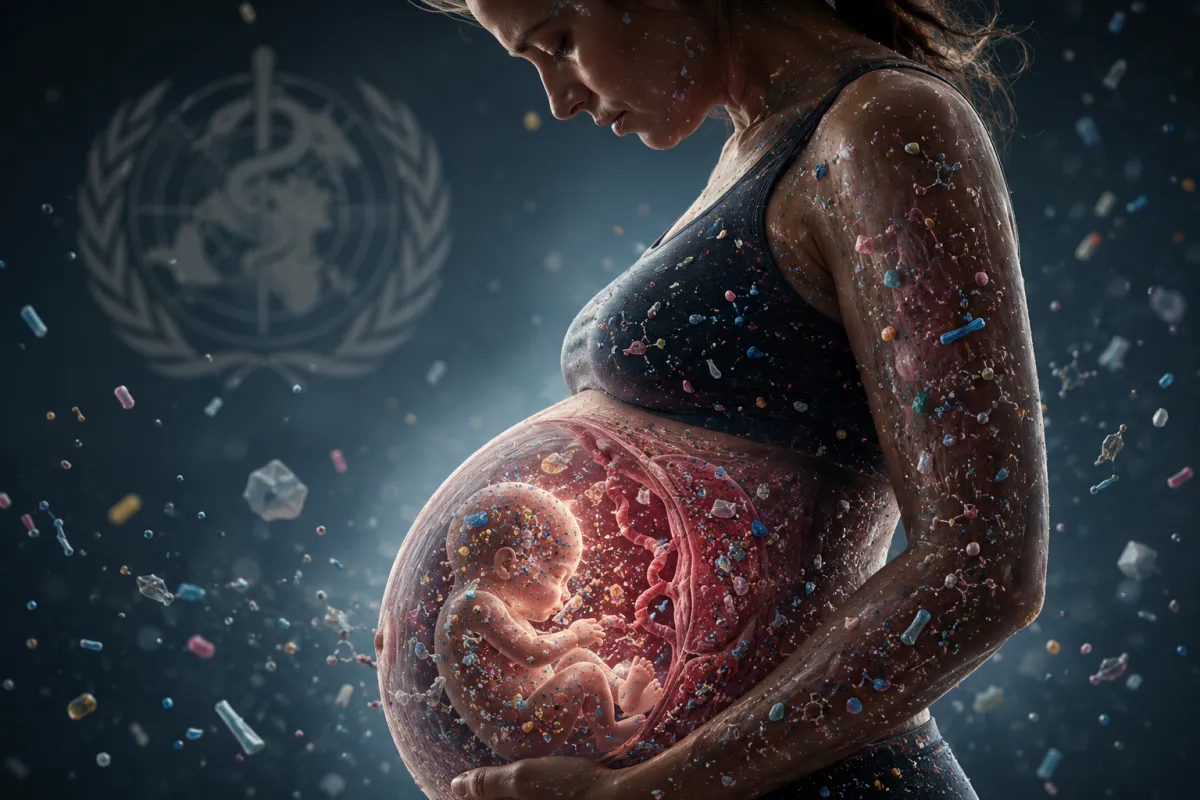
Plastic Babies: What Every Parent Needs To Know About Microplastics
This week, scientists, doctors and environmental health experts gathered at the House of Lords to launch the Plastic Babies Campaign.
The purpose of the campaign is simple:
To raise awareness about the growing evidence that microplastics and plastic-associated chemicals are now being found throughout the human body, including in some of the most vulnerable stages of life.
And some of the statistics shared were genuinely shocking.
7,629 plastic chemicals and 1,396 different types of plastic have now been found in the human body.
Microplastics have been found in human blood, breast milk and placentas.
Scientists are increasingly concerned about the impact of plastics on fertility, hormones, immunity, metabolism and child development.
Exposure during pregnancy may potentially trigger epigenetic changes that affect not only a child, but future generations too.
The placenta does not fully protect babies from many endocrine-disrupting chemicals associated with plastics.
For many parents, this information can feel overwhelming.
But before we go any further, let's be clear:
This article is not about fear.
It is not about guilt.
And it is certainly not about achieving a perfectly plastic-free life.
Because that is impossible.
Instead, it is about understanding one more piece of the modern health puzzle and identifying simple, practical ways to reduce unnecessary exposure where we can.
Why This Matters For Children
The first 1,000 days of life are among the most important in human development.
During this period, a baby's brain, immune system, gut microbiome, hormones and nervous system are all developing at extraordinary speed.
Scientists are increasingly investigating how plastic-associated chemicals may influence these systems.
Many plastics contain compounds known as endocrine disruptors.
These are chemicals that can interfere with normal hormonal signalling in the body.
Research has linked plastic exposure to concerns around:
fertility
reproductive health
thyroid function
metabolism
early puberty
immune function
gut microbiome disruption
neurodevelopment
Whilst the science is still evolving, many experts agree that reducing unnecessary exposure is a sensible precautionary approach.
Microplastics Are Everywhere
One of the reasons this issue is gaining so much attention is because researchers are finding microplastics almost everywhere they look.
Microplastics have now been identified in:
human blood
breast milk
placentas
lung tissue
liver tissue
kidney tissue
and more recently, human brain tissue
Researchers have even reported significantly higher concentrations of microplastics in brain tissue compared to some other organs, raising important questions about long-term neurological health.
Whilst we do not yet have all the answers, the findings are concerning enough that many scientists are calling for greater awareness and action.
The Surprising Sources Parents Often Miss
Most people assume plastic exposure comes from obvious sources such as water bottles and food packaging.
But some of the biggest contributors are much closer to home.
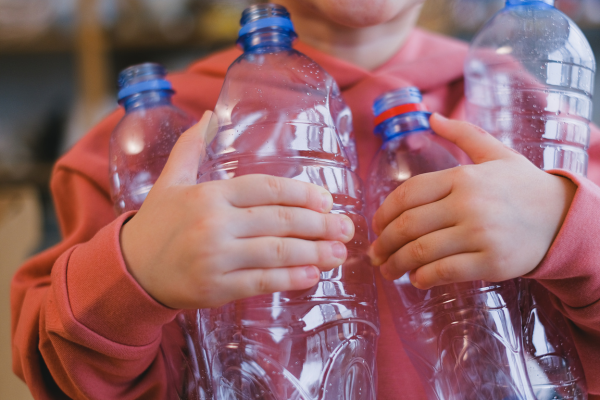
These include:
heating food in plastic containers
plastic chopping boards
plastic cooking utensils
cling film
takeaway packaging
bottled water
plastic-lined tea bags
thermal till receipts
synthetic cleaning cloths
household dust
In other words, many of the exposures occur during completely normal everyday activities.
The Good News: Small Changes Can Make A Big Difference
You do not need to overhaul your life overnight.
In fact, we recommend starting small.
Some of the easiest swaps include:
✓ Store and reheat food in glass rather than plastic.
✓ Use stainless steel or glass water bottles.
✓ Switch plastic cooking utensils for wooden or stainless-steel alternatives.
✓ Choose loose-leaf tea or plastic-free tea bags.
✓ Reduce reliance on heavily packaged foods where possible.
✓ Say no to unnecessary receipts.
✓ Improve indoor air quality and ventilation.
✓ Choose natural materials where practical.
None of these changes need to happen all at once.
Remember:
Progress beats perfection.
Especially For Children
Children's developing systems may be particularly vulnerable to environmental exposures.
Some simple swaps for families include:
stainless steel water bottles
stainless steel or bamboo lunch boxes
wooden toys
silicone or natural rubber teethers
biodegradable wipes
natural fibre clothing where possible
Again, this is not about creating anxiety.
It is about reducing overall toxic load where practical and affordable.
Supporting The Body From The Inside Out
Whilst reducing exposure is important, we can also support the body's resilience.
Nutritionist Lucinda Miller highlights the importance of colourful plant foods rich in anthocyanins, including:
berries
pomegranate
beetroot
red onions

These foods contain powerful antioxidants that may help combat oxidative stress and support overall health.
The Bigger Conversation
At The Brain Health Movement, we often talk about the "Perfect Storm."
Rarely is there one single cause behind a child's struggles.
Instead, we see an accumulation of stressors.
Birth trauma.
Nutritional deficiencies.
Infections.
Environmental toxins.
Immune dysfunction.
Nervous system dysregulation.
Microplastics may be another piece of that puzzle.
Not the whole story.
But potentially an important one.
And when we begin reducing the total load on a child's system, we often create more capacity for healing.
Want To Learn More?
If this topic has sparked your curiosity, I highly recommend these two conversations from the My Mighty Quinn podcast.
🎧 Lauren Lee Stone
Toxic Overload in Kids: What Every Parent Needs to Know
https://www.thebrainhealthmovement.com/podcast/b/S2-E9-toxic-overload-in-kids
Lauren explains how environmental toxins, mould, heavy metals, plastics and modern living can contribute to a child's overall toxic burden, and what parents can do to support natural detoxification safely.
🎧 Lucinda Miller
Brilliant Brain Food
https://www.thebrainhealthmovement.com/podcast/b/S2-E1-brilliant-brain-food
Lucinda shares practical nutrition and lifestyle strategies that help support children's developing brains, reduce inflammation and build resilience in today's increasingly toxic world.
Because awareness shouldn't create fear.
It should create action.
And sometimes the smallest changes can make the biggest difference.


