FREE MASTERCLASS - Discover the real reasons behind your child’s struggles and what to do next.

ADHD, AUTISM, ANXIETY AND CHILD DEVELOPMENT — EXPLAINED
Practical articles to help you understand your child’s behaviour and health.
STOP MANAGING SYMPTOMS.
START UNDERSTANDING YOUR CHILD.
Explore the Root Causes behind Attention, Behaviour and Learning Challenges.
Parent-Led. Science-Backed. Drug-Free.
BLOG
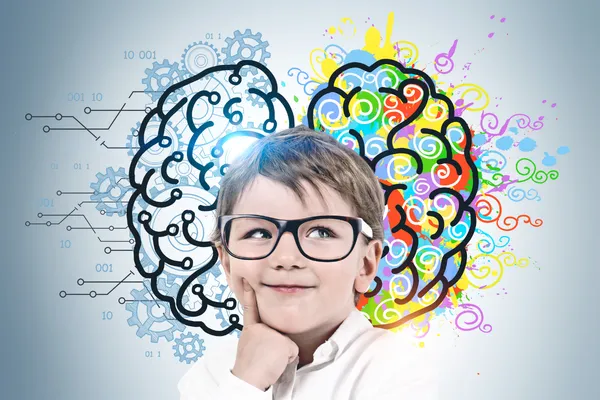
What if your child’s behaviour isn’t behavioural at all? It may be coming from three specific areas of the brain.
What if your child’s behaviour isn’t behavioural at all?
What if the meltdowns…
the rigidity…
the sensory overwhelm…
the focus struggles…
aren’t actually the problem?
What if they are signals from the brain?
Because one of the biggest shifts that happens for parents inside the Brain Health Movement is this:
They stop seeing behaviour as something to manage.
And start seeing it as something to understand.
The brain is constantly communicating.
Through movement.
Through emotions.
Through sensory responses.
Through behaviour.
And when certain brain systems are under stress, overloaded, or not communicating efficiently, those signals often appear as the behaviours parents are most worried about.
But when we begin to understand which parts of the brain are involved, something extraordinary happens.
We stop blaming the child.
We stop blaming ourselves.
And we start understanding how the brain actually works.
Because once you understand the brain…
Everything begins to make more sense.
Today I want to introduce three areas that play a huge role in many children’s struggles.
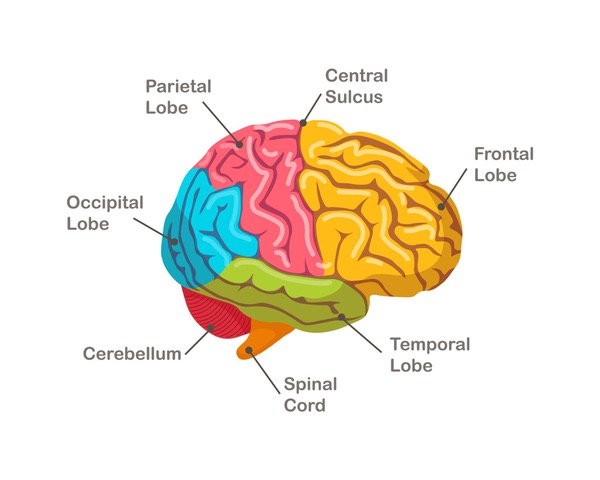
The Cerebellum - The brain’s timing and coordination centre
The cerebellum sits at the back of the brain and is traditionally known for helping us coordinate movement and balance.
But modern neuroscience has revealed something much bigger.
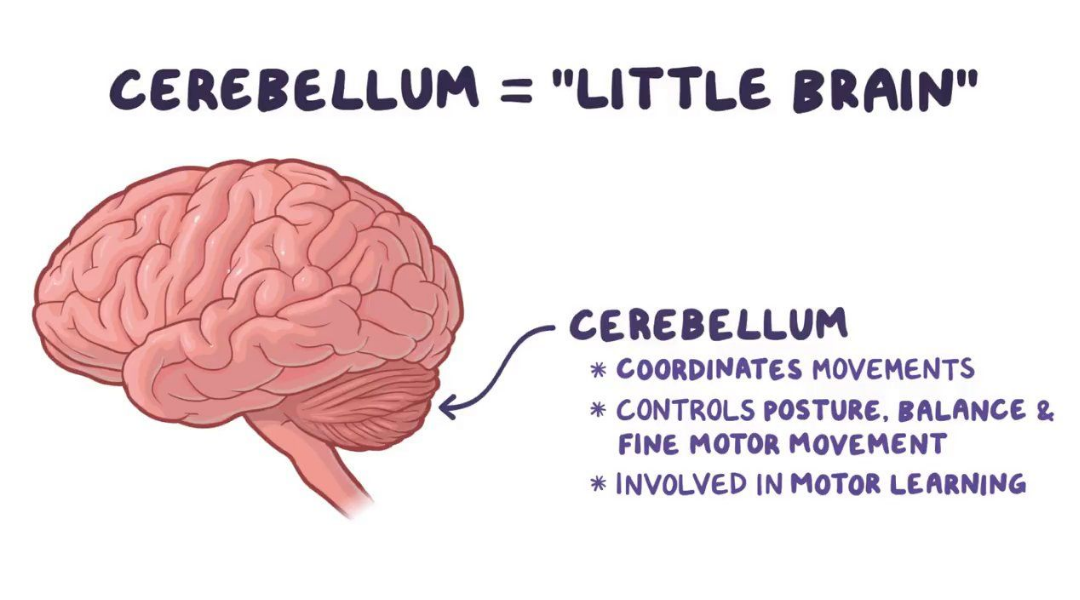
The cerebellum also plays a critical role in:
• Attention
• Sensory processing
• Language development
• Emotional regulation
• Timing and rhythm throughout the brain
In other words, it helps the brain organise information smoothly and predictably.
When cerebellar timing is off, children may experience:
• clumsiness or poor coordination
• messy handwriting
• difficulty with eye tracking
• sensory overwhelm
• trouble shifting attention
• emotional dysregulation
Dr Robert Melillo often describes the cerebellum as one of the brain’s great regulators — helping different brain systems work together in harmony.
When that timing is disrupted, the world can start to feel chaotic.
The Parietal Lobe - The brain’s body-map and sensory integration centre
The parietal lobe helps the brain understand:
• where the body is in space
• how much pressure we’re using
• what we are feeling through touch
• how visual and sensory information fit together
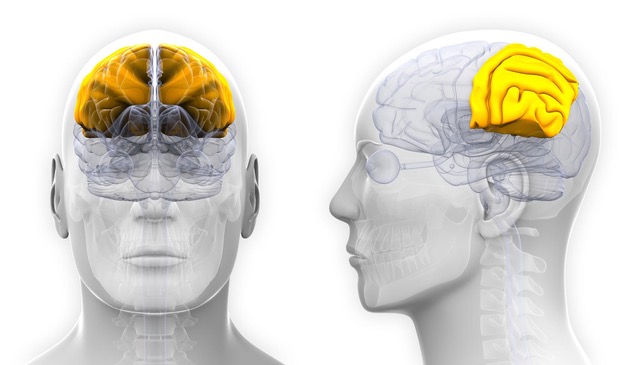
When this system is not integrating sensory input efficiently, children may struggle with:
• tactile defensiveness (clothing textures, tags, hair brushing)
• poor posture or body awareness
• being “too rough” or “too light” when playing
• copying from the board
• motor planning difficulties
In simple terms, the brain is struggling to create a clear internal map of the body.
And when the body feels uncertain…
The brain naturally becomes anxious.
The Prefrontal Cortex - The brain’s thinking and regulation centre
Right behind your child’s forehead sits the prefrontal cortex.
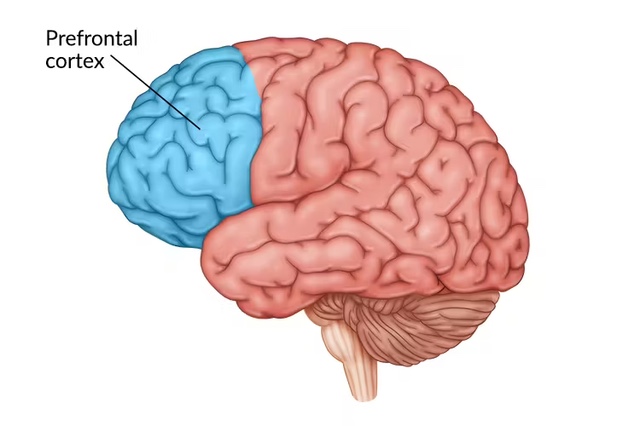
This is the brain’s executive control centre — responsible for:
• impulse control
• emotional regulation
• planning and organisation
• flexible thinking
• attention
• decision making
But here’s the crucial thing many people don’t realise.
The prefrontal cortex depends on information from the rest of the brain being organised first.
If sensory input is overwhelming…
If timing signals from the cerebellum are inconsistent…
If the nervous system feels unsafe…
Then the prefrontal cortex cannot function effectively.
It shifts into survival mode instead of thinking mode.
Which is why so many behaviours that look like defiance are actually signs of neurological overwhelm.
Why this matters so much
These three brain areas are deeply connected.
The cerebellum helps coordinate timing.
The parietal lobe processes sensory information.
The prefrontal cortex uses that organised input to regulate behaviour and decision-making.
If timing is off…
If sensory processing is overwhelmed…
If the nervous system is stuck in protection mode…
Then behaviours emerge.
Not because a child won’t.
But because their brain can’t — yet.
What the experts are seeing
This exact conversation came up in our most recent episode of My Mighty Quinn, where I spoke with Dr Daniel Kimbley about the prefrontal cortex and why so many children today are stuck in protection mode rather than thinking mode.
It’s something I’ve also explored in depth with Dr Robert Melillo and Dr Josh Madsen — all of whom emphasise the same point:
Before we try to fix behaviour…
We have to support the brain systems underneath it.
The hopeful part
The most encouraging thing neuroscience has shown us is this:
The brain is changeable.
Through neuroplasticity, the brain can strengthen communication between regions like the cerebellum, parietal lobe and prefrontal cortex.
This is why many of the approaches our experts teach — including nervous system support, movement-based therapies, sensory integration, rhythm and timing work, primitive reflex integration — can be so powerful.
Not because they “train behaviour”.
But because they strengthen the brain systems that create behaviour.
If this resonates
These are exactly the brain systems our experts explore in depth inside
The Whole Child, Multi-Disciplinary Roadmap to Healing Course and Roadmap.
Together, practitioners like Dr Robert Melillo, Dr Josh Madsen and Dr Daniel Kimbley help parents understand how the brain develops, where things can go off course, and the kinds of interventions that help restore organisation and regulation.
Because once you understand the brain…
You stop chasing symptoms.
And you begin to see the roadmap to healing.
Stop chasing symptoms.
Start healing the root cause.
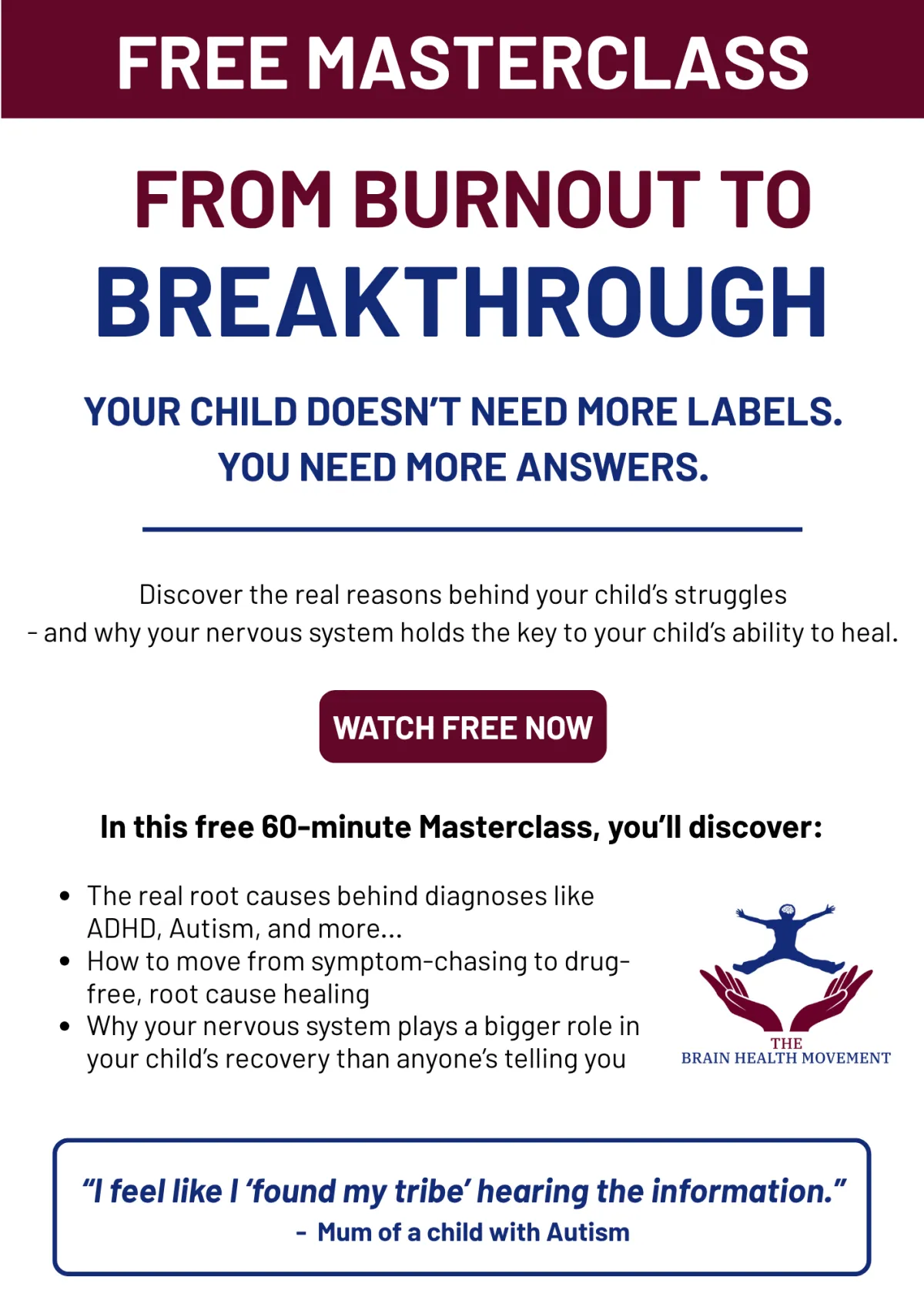
FREE MASTERCLASS
"From Burnout to Breakthrough"
Your child doesn’t need more labels.
You need more answers.
Discover the real reasons behind your child’s struggles - and why your nervous system holds the key to your child’s ability to heal.
Need More Support?
If you're feeling overwhelmed and just need to be heard and supported to work out the best next step, then book a 1:1 Parent Support session with Lucia.