BACK-TO-SCHOOL SUPPORT
Is your child struggling with school? Find practical tools, expert guidance and a clearer place to start.
PANS and PANDAS in Children
If your child has changed suddenly — or no longer seems like themselves — you are not imagining it.
Many parents are told it’s “just anxiety” or behavioural — but there is often a deeper neurological and immune response at play.
Understanding what’s happening is the first step toward helping your child recover and feel like themselves again.
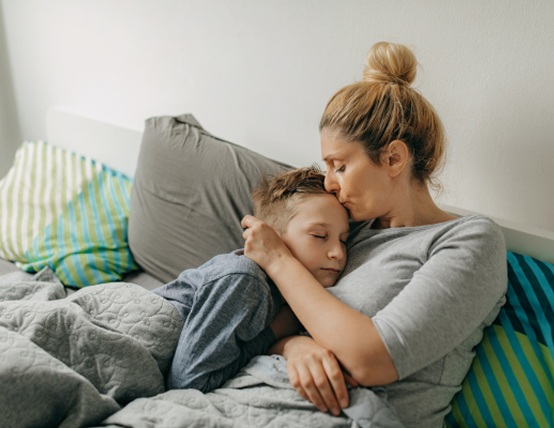
Sudden OCD, tics, anxiety and regressions can feel terrifying. You’re not imagining it. Your child is not broken and you are in the right place.
Many parents describe PANS/PANDAS as a “before and after” moment: a child who was coping (or at least predictable) suddenly develops intense anxiety, tics, obsessive thoughts, rages, regressions, sleep chaos, school refusal, or a level of fear and rigidity that feels completely out of character.
If you’re confused, exhausted, or quietly losing hope, please know this: you are not imagining it, your child is not broken, and you are in the right place.
At The Brain Health Movement, we believe symptoms are signals. And when symptoms show up suddenly, they’re not “just behavioural.” They are often your child’s brain and body asking for support, regulation, and a clearer roadmap.
Informed by clinical insights from leading PANS/PANDAS and neurodevelopment experts, including Dr Nancy O’Hara, Dr Josh Madsen, Dr Lauren Lee Stone, Dr Lyndsey Wells, and others.
What are PANS and PANDAS?
What is PANDAS ?
PANDAS stands for Paediatric Autoimmune Neuropsychiatric Disorders Associated with Streptococcal infections. It’s a term used when a child has a sudden onset or worsening of OCD and/or tics, and the timing suggests a link with a recent strep infection.
What is PANS ?
PANS stands for Paediatric Acute-onset Neuropsychiatric Syndrome.
Broadly, it’s an abrupt onset of OCD, severely restricted food intake, or other symptoms such as anxiety, emotional dysregulation, regression, sensory changes, sleep issues and more.
PANS is increasingly understood as a neuroimmune condition, where inflammation, immune activation, and nervous system dysregulation intersect.
This often happens in children who were already carrying vulnerability from early stress, illness, or developmental load.
The most important word is “sudden”
PANS/PANDAS are often discussed because of the speed and intensity of change. Parents frequently say:
“This is not my child.”
And that is a meaningful clue.
Important note: This page is educational and supportive, not a diagnosis or medical advice.
If you suspect PANS/PANDAS, proper medical assessment and rule-outs matter.
Common PANS/PANDAS symptoms parents notice
Every child is different, but patterns appear again and again. Symptoms can come in flares, and the severity can change over time.
- Often sudden onset OCD (intrusive thoughts, compulsions, reassurance seeking, rigid fears)
- New or rapidly worsening tics (motor and/or vocal)
- Restricted eating (especially in PANS)
Core Symptoms
- Intense panic and anxiety
- Rage, irritability, emotional volatility
- Sleep disruption (insomnia, night waking, fear at bedtime)
- Sensory overload (noise, touch, crowds)
- Regression in behaviour, speech, toileting or social connection
- Brain fog, memory issues, concentration problems
- Changes in handwriting, motor control, coordination
Other Symptoms That Commonly Show Up Alongside
Clinicians working with PANS/PANDAS often observe these symptoms clustering together because the same brain circuits, particularly those involved in threat detection, regulation and executive function, are being impacted.
If you’re nodding as you read this, you’re not alone, and there is a reason these symptoms often show up together.
Why it can feel so terrifying as a parent
Because it’s not just the symptoms. It’s the whiplash.
You’re trying to parent a child who may feel unpredictable, frightened, rigid, dysregulated, or suddenly “not themselves”, while juggling school meetings, appointments, sleep deprivation, and that constant 2am spiral of:
“What am I missing? What if it gets worse? What if I do the wrong thing?”
It’s overwhelming and frightening, and you suddenly feel like you don’t recognise your own child anymore.
We see this again and again: parents drowning in information but starving for clear guidance.
This is exactly why “ten more protocols” usually doesn’t help.
You need clarity. You need a sequence. You need a roadmap.
A Note from One Parent to Another:
Many of us at The Brain Health Movement didn’t come to PANS/PANDAS through textbooks or theory.
We came to it the way many parents do, through sudden changes, frightening behaviours, unanswered questions, and a child we barely recognised.
This condition is personal for us. It’s part of our family’s story.
While every child’s path is different, what we’ve learned is this: parents don’t need more fear or more protocols.
They need understanding, sequence, and a nervous system that feels safe enough to heal.

What to Do If You Suspect PANS/PANDAS
Many PANS/PANDAS-informed clinicians emphasise the importance of ruling out immune triggers while simultaneously supporting regulation and stability, not waiting for “perfect labs” before helping the child feel safer.
You don’t have to figure it all out in one day. These steps can help you bring calm and clarity quickly:

Track the Timeline
Begin by writing down:
When symptoms first appeared
How quickly they escalated
Any illness/infection around that time
Any significant stressors or life changes
Changes in sleep, appetite, mood or developmental skills
A clear timeline can be one of the most helpful pieces of information to share with healthcare professionals. It allows patterns to be seen more easily and supports informed discussions.

Seek Appropriate Medical Input
Conversations around PANS/PANDAS often involve multiple areas of health, including infection, immunity, neurology and mental wellbeing. Because of this complexity, assessment by qualified medical professionals is important.
If your child is experiencing severe symptoms, such as significant food or fluid restriction, safety concerns, confusion, or behaviours that put them or others at risk, seek urgent medical attention.
If you’ve previously felt unheard, it can help to bring written observations and specific questions. Clear documentation often changes the tone of the discussion.

Stabilise the Nervous System at Home
One consistent theme across clinicians working in this space is the role of nervous system stress. When a child is in a prolonged “threat” state, everyday functioning can become much harder.
Even while medical investigations are ongoing, small adjustments at home can reduce overall strain. When the nervous system is overwhelmed, sleep, emotional regulation, behaviour, sensory tolerance and learning are all affected.
Creating predictability, reducing unnecessary demands and prioritising safety can help stabilise day-to-day life and often restores a sense of competence for parents, too.

Avoid the "Do Everything at Once " TRAP
When fear is high, it is completely understandable to want to try every possible intervention immediately. That urgency often comes from love, not panic.
However, layering too many changes at once can increase stress and make it harder to see what is helping.
Building a steady foundation first, clarity, medical guidance, regulation and support, often creates better conditions for deciding what to explore next.

How the Brain Health Movement Can Support Families with PANS/PANDAS
We are not here to label your child, dismiss your instincts, or tell you it’s “just anxiety”.
We’re here to give you what most parents are missing:
A Whole Child, root-cause roadmap that connects the dots, starting with the nervous system.
Our approach looks at how the nervous system, gut, immune system, brain development, birth stress, inflammation and environmental load can interact. Because in real life, these things don’t sit in separate boxes.
The Whole Child Healing Sequence
We organise support into a clear sequence:
Regulate → Rebuild → Restore

Regulate
Support the nervous system first:
Co-regulation and safety cues
Reducing overwhelm and sensory load
Building predictable routines that actually work in real life
Helping you regulate too, because your nervous system affects your child’s

rebuild
Strengthen biological foundations:
Gut and immune balance
Nutrition support that feels doable
Addressing load, inflammation and chronic stressors in a structured way
Supporting neuro-motor development and retained primitive reflexes (where relevant)
Supporting detoxification pathways gently and safely, particularly for children who struggle to clear inflammatory or environmental load

restore
Create long-term stability:
Sleep and circadian support
Emotional and behavioural tools that stick
Reconnection, resilience and confidence for the whole family
A plan you can follow without spiralling into “what next?”

Parent-Led Compassion-First (because we know what it's like)
The Brain Health Movement was created by a mother who lived this journey behind closed doors: the meltdowns, the school calls, the fear, the exhaustion, the lonely Googling.
So we don’t just educate you. We support you.
Our programmes are designed for real life:
Learn at your own pace (video, audio, transcripts, practical downloads)
Gentle, clear teaching (no shame, no overwhelm)
Ongoing support and community, so you don’t have to carry this alone

Multi-Disciplinary, Expert-Led, Organised Properly
Our expert-led content draws from clinical practice in paediatric neuroimmunology, neurodevelopment, nutrition and functional medicine. Instead of chasing different opinions and booking endless consults, we bring together world-class experts across:
Nervous system regulation and neurodevelopment
Gut, nutrition and immune balance
Neuro-motor immaturity and retained reflexes
Inflammation, stressors and environmental load
Parenting under pressure and co-regulation
And crucially: we organise it in the right sequence so you always know what matters most right now.
A Note from Lucia (and why this is personal)
Dear Parents and Carers,
If you’ve landed here, it’s likely because something in your child’s behaviour, learning, or emotional world doesn’t feel right, and no one seems to be giving you the clarity and answers you need.
You’re not alone.
I know this story intimately, because I’ve lived it.
When my son Quinn began to show escalating tics, disconnection, dysregulation and other neurological symptoms, I did what every good parent does, I searched for answers. I went from doctor to therapist, expert to specialist.
But the answers never truly helped. At best, they masked the symptoms. At worst, they made me feel hopeless and alone.
Deep down, I knew:

My son was not broken.
His symptoms weren’t random.
And medication was never going to be the answer for our family.
It wasn’t until I began to dig into the why behind the symptoms that everything changed. Eventually, I encountered the world of PANS/PANDAS, a diagnosis that explained the suddenness, but not yet the full healing path.
I discovered our children’s behaviours are signals, urgent calls from their nervous system, brain and body, asking for support, healing, wholeness and balance.
Over time, and through working with the world’s leading paediatric, neurodevelopmental and functional medicine experts, I learned that lasting healing is possible when we address root causes like:
Nervous system dysregulation
Gut, nutrition and immune imbalance
Neuro-motor immaturity and retained reflexes
Inflammation, stressors and toxic load
Today, Quinn is radiant. He’s calmer, connected, and no longer defined by his diagnosis or symptoms.
And now, I want the same for you.
With real hope,
Lucia x
Best next step
If you’re new to The Brain Health Movement, start with clarity and a calmer nervous system:
You don’t need to keep guessing, Googling, or doing this alone. You just need the right roadmap, and the right team by your side.
PANS/PANDAS FAQs
What’s the difference between PANS and PANDAS?
PANDAS is typically discussed in relation to strep timing. PANS is broader and focuses on sudden onset symptoms that may have different triggers.
Does it always involve strep?
Not always. PANDAS is linked to strep by definition; PANS is broader. Either way, proper assessment matters.
Can symptoms come and go?
Many families report symptoms in flares, with periods of improvement and periods of worsening.
Can The Brain Health Movement diagnose or treat PANS/PANDAS?
We don’t diagnose or prescribe treatment. We provide education, a Whole Child framework, and parent-led support you can use alongside appropriate clinical care.
What if my child is in crisis?
If you have urgent safety concerns, severe food/fluid restriction, or severe psychiatric symptoms, please seek urgent medical help immediately.
“Is PANS/PANDAS the same as anxiety or OCD?”
No. While anxiety and OCD can be prominent features, PANS/PANDAS involves an abrupt neuroimmune shift that affects regulation, behaviour, emotion and cognition. Understanding the difference matters for both treatment and support.
Final reassurance
When symptoms appear suddenly, it can feel random and terrifying. But in our experience, they’re not random… they’re signals.
Healing doesn’t begin with doing everything at once, or doing it perfectly. It begins with safety, presence, and the right sequence, addressing root causes in a way your child’s nervous system can actually tolerate.
This is how real healing happens. And how lasting change becomes possible.
FREE DOWNLOAD